
BLOG

The Benefits of Intergenerational Programs in Assisted Living

October 2, 2024

Intergenerational programs in assisted living communities are gaining popularity due to their numerous benefits. These programs bring together different age groups, creating meaningful connections that enhance the lives of both older adults and younger participants. By focusing on the positive outcomes of these interactions, we can better appreciate the value they bring to assisted living environments.

1. Intergenerational Programs Reduce Loneliness

Intergenerational programs foster social connections, reducing feelings of isolation among older adults. Regular interactions with younger generations provide residents with new social opportunities. These relationships can lead to long-lasting friendships, significantly improving residents' overall happiness. Engaging with youth also keeps seniors socially active, preventing loneliness.

types of dementia

Residents look forward to intergenerational activities, breaking the monotony of daily routines. These programs introduce fresh faces and new conversations into their lives. The variety of interactions helps residents stay mentally sharp and emotionally connected. As a result, the community becomes more vibrant and socially inclusive.


Participating in intergenerational programs encourages older adults to share their life experiences. Storytelling and mentorship allow them to feel valued and respected. These exchanges benefit the residents and the younger participants, fostering mutual understanding. Through these programs, seniors find a renewed sense of purpose.

2. Improved Mental Health and Cognitive Function

Engaging in intergenerational activities stimulates the mind and enhances cognitive function. Programs that include games, puzzles, and learning opportunities challenge the brain. These activities can help delay cognitive decline and improve memory retention. The mental engagement provided by these programs keeps residents mentally active and alert.


Younger participants bring energy and enthusiasm, which positively impacts residents' moods. This interaction can also reduce symptoms of depression and anxiety in older adults. The joy and laughter shared during activities uplift spirits and create a positive atmosphere. These emotional benefits contribute to overall mental well-being.


Learning from younger generations can also introduce residents to new skills and technologies. Whether using a smartphone or exploring social media, these interactions keep seniors intellectually curious. Staying updated with modern trends gives them a sense of inclusion in today’s fast-paced world. This ongoing learning promotes a healthy and engaged mind.

3. Intergenerational Programs Can Improve Physical Health

Intergenerational programs often involve physical activities that promote health and mobility. Gardening, walking, or light exercises encourage movement and physical engagement. These programs help residents stay active, improving their overall physical health. Regular physical activity can lead to better balance, strength, and flexibility.


The presence of younger participants often motivates residents to be more physically active. Children and teens can inspire seniors to join in on activities they might otherwise avoid. The energy and excitement of youth make physical activities more enjoyable and less of a chore. As a result, residents are more likely to maintain an active lifestyle.


Active participation in these programs can also enhance residents' appetite and sleep patterns. Physical exertion, combined with social interaction, promotes better sleep and overall well-being. Improved physical health also contributes to a higher quality of life in assisted living communities. These benefits make intergenerational programs a valuable addition to residents' daily routines.

4. Strengthens Community Bonds and Relationships

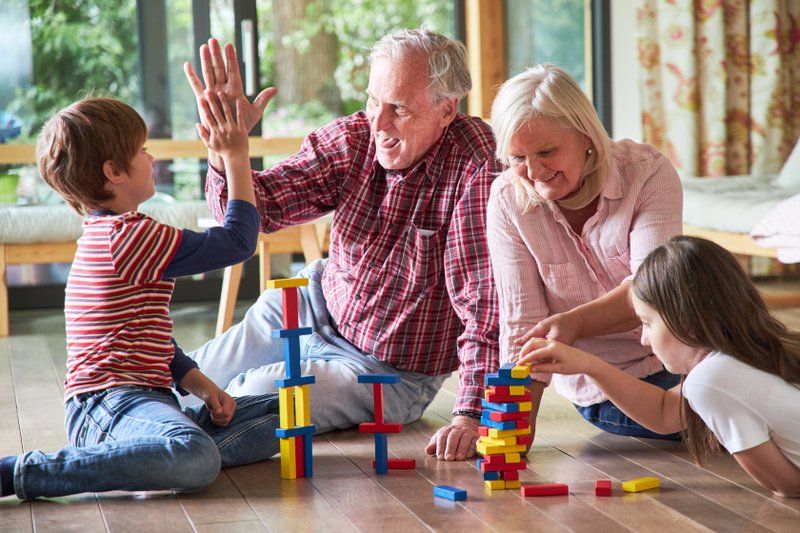
Intergenerational programs strengthen the sense of community within assisted living environments. These activities connect residents, staff, and younger participants for a shared purpose. The collaboration fosters a strong sense of belonging among all participants. This unity helps create a more supportive and connected community.
types of dementia

Residents develop meaningful relationships with younger participants that extend beyond the program itself. These bonds can lead to ongoing visits and interactions, enriching the lives of everyone involved. The relationships formed through these programs contribute to a sense of family within the community, enhancing the overall living experience.


The involvement of local schools and youth organizations also strengthens ties with the broader community. Intergenerational programs often include student visits, which help build connections between the assisted living community and local schools. These relationships create a sense of pride and involvement for residents. Through partnerships, the community becomes a more integral part of the neighborhood.

5. Increased Sense of Purpose and Fulfillment

Participating in intergenerational programs provides residents with a renewed sense of purpose. Engaging with younger generations gives them a reason to look forward to each day. The opportunity to mentor or share their experiences fulfills a deep need for meaning. This sense of purpose significantly enhances their emotional well-being.


Residents often feel a sense of accomplishment through their contributions to these programs. Whether teaching a skill or sharing wisdom, their involvement is valued. This recognition boosts their self-esteem and confidence. Feeling useful and appreciated has a profound impact on their overall happiness.


The joy of giving back to the younger generation cannot be underestimated. Residents take pride in positively influencing the lives of children and teens. This intergenerational exchange brings fulfillment and joy to their lives. The satisfaction derived from these interactions contributes to their overall sense of well-being.

6. Benefits for Younger Participants

Intergenerational programs also benefit the younger participants. They offer them valuable life lessons from older adults. The wisdom and experience shared by residents can shape the perspectives and attitudes of the younger generation. This interaction fosters respect and appreciation for the elderly.


Through these programs, younger participants gain a sense of social responsibility and empathy. Engaging with older adults helps them develop compassion and understanding, essential for building strong, caring individuals. The experiences gained in these programs can also influence their behavior and relationships in the future.


The bonds formed through intergenerational programs also help bridge the generation gap. Younger participants learn to value and respect the contributions of older generations. These relationships challenge stereotypes and promote inclusivity. The mutual respect developed in these programs has long-lasting benefits for both age groups.

Intergenerational Programs are a Must

Intergenerational programs in assisted living communities offer many benefits. From enhancing social interaction to improving mental and physical health, these programs positively impact residents and younger participants. Intergenerational programs enrich the lives of everyone involved by fostering strong community bonds and providing a renewed sense of purpose.


Ready to explore the benefits of intergenerational programs? Contact us today to learn how these programs can enhance your assisted living community.


Remember that the personalized care and supportive environments offered by memory care communities aim to enhance the quality of life for individuals with memory-related conditions. Ultimately, the decision hinges on finding the most suitable setting where your loved one can receive the specialized care and support they deserve. For expert guidance and resources, visit Assured Senior Living.

download our family decision toolkit
December 9, 2025
Senior living is transforming, driven by technological advancements and evolving design philosophies. As the aging population grows, there is an increasing demand for environments that provide care and enhance the quality of life. Modern senior living communities embrace innovations promoting independence, safety, and engagement, ensuring residents lead fulfilling lives. Communities adopt holistic approaches that merge innovation with compassion to improve elder care from every angle. Changes in senior living extend far beyond digital gadgets and contemporary buildings. Facilities are now reimagining how care environments support every dimension of resident health and satisfaction. Architects and care teams collaborate to reframe care from a passive to a participatory approach. Living spaces are becoming platforms for engagement, wellness, and daily autonomy. Embracing Smart Technology for Enhanced Living Integrating innovative technology in senior living communities is revolutionizing how care is delivered. Wearable health monitors , for instance, enable real-time tracking of vital signs, allowing for prompt medical responses when necessary. Such devices empower residents to manage their health actively, fostering a sense of autonomy. Facilities are leveraging technology not as a substitute for human care, but as a vital enhancement to resident safety and wellness.  Telehealth services have become increasingly prevalent, offering residents convenient access to healthcare professionals without traveling. Seniors benefit from fewer delays, reduced exposure to illness, and more consistent care routines. Care providers are meeting residents where they are, rather than requiring them to adapt to rigid healthcare models.
December 4, 2025
Financial exploitation is a growing concern for seniors, often leading to devastating consequences. As individuals age, they may become more vulnerable to senior scams due to social isolation, cognitive decline, or unfamiliarity with technology. Recognizing and addressing these risks is crucial to safeguarding their well-being. Understanding the types of scams and implementing preventive measures can significantly protect seniors from financial harm. Assisted living communities are pivotal in educating and protecting residents from scams. By fostering an environment of awareness and vigilance, these communities can help seniors navigate the complexities of modern fraud tactics. Staff training and resident education are crucial in establishing a robust defense against financial exploitation. Through collective efforts, the safety and security of seniors can be significantly enhanced. Understanding Common Senior Scams Scammers often target seniors with various fraudulent schemes to exploit their trust and financial resources. Common senior scams include impersonation of government officials, fraudulent investment opportunities, and deceptive tech support calls. These tactics are crafted to appear legitimate, making it challenging for seniors to discern the truth. Awareness of these common scams is the first step in prevention.  Another prevalent scam involves fraudsters posing as distressed family members, requesting urgent financial assistance. This emotional manipulation can compel seniors to act hastily without verifying the authenticity of the request. Encouraging open communication within families can help prevent such incidents. Seniors should be advised to confirm such requests directly with the family member involved.
December 3, 2025
Alright, folks, gather round and break down the top five reasons why you or let's be honest, your loved one might not be getting that VIP treatment you thought came with the brochure at one of those mega assisted living facilities. It's like expecting a gourmet meal and getting served a microwaved hot dog. Let's dive in. 1. High Staff Turnover: The Revolving Door Syndrome Imagine walking into your favorite bar, and every time, there's a new bartender. Yesterday, it was Tom. Today, it's Jerry. Tomorrow, who knows? That's your large, assisted living facility. Staff come and go faster than fashion trends. Why? Because working there is about as rewarding as trying to read "War and Peace" on a rollercoaster. This high turnover means just when your loved one finally remembers the name of their caregiver, poof, they vanish. It's like a magic trick nobody asked for. 2. High Resident to Staff Ratio: Where's Waldo?  Now, picture playing a game of Where's Waldo, but instead of finding Waldo, you're trying to find a staff member to help you. That's right, in the sea of residents, finding a staff member is like finding a needle in a haystack, if the needle was also trying to hide from you. The ratio is so off, you might as well declare yourself a staff member and start helping. At least you'd know where one staff member is—spoiler alert, it's you.
December 2, 2025
Dental care is a crucial yet often overlooked component of overall health for seniors. As individuals age, maintaining oral health becomes increasingly important due to its direct impact on nutrition, systemic health, and quality of life. Neglecting dental care can lead to complications affecting the mouth and the entire body. Understanding the importance of dental health is crucial for promoting overall well-being among older adults. Prioritizing dental care is crucial in assisted living settings to ensure residents' comfort and overall well-being. Regular dental check-ups, proper oral hygiene practices, and timely treatments can prevent a host of issues. Seniors often benefit from environments where dental routines are reinforced on a daily basis. Oral health is closely tied to dignity, confidence, and physical wellness. Oral Health's Impact on Systemic Conditions Poor oral health in seniors is linked to various systemic conditions. Gum disease may contribute to worsening chronic illnesses such as diabetes and heart conditions. Infections in the mouth can spread, stressing the immune system and overall health. Maintaining strong oral hygiene habits can positively influence seniors’ physical resilience.  Tooth loss and oral discomfort may force older adults to avoid nutritious foods. Difficulty chewing often limits dietary options and leads to imbalanced nutrition. Maintaining oral function supports healthier eating habits and sustained energy levels. Dental interventions typically improve seniors’ abilities to enjoy various meals again.
November 30, 2025
Ageism, the systematic stereotyping and discrimination against individuals based on age, profoundly affects the well-being of older adults. It manifests in various forms, from subtle biases in everyday interactions to institutional policies that marginalize seniors. Such discrimination can lead to diminished self-esteem, social isolation, and reduced access to essential services. Addressing ageism ensures seniors live with dignity, respect, and full social participation. Advocating for seniors involves recognizing and challenging the societal norms and structures perpetuating age-based discrimination. It requires a concerted effort from individuals, communities, and institutions to promote inclusivity and equity. Understanding the roots and ramifications of ageism enables the development of effective strategies to combat it. Recognizing Ageism in Society  Ageism often goes unnoticed, as it is embedded in cultural narratives and societal structures. Media representations frequently portray older adults as frail or out of touch, reinforcing negative stereotypes. Such depictions can influence public perception and policy decisions, leading to the marginalization of seniors. A report by the World Health Organization found that ageism is prevalent globally, affecting individuals' health and well-being. Workplace discrimination is another area where ageism is evident. Older employees may face challenges in hiring, promotions, and training opportunities due to assumptions about their capabilities and age-related biases. Negative workplace perceptions can reduce seniors’ economic stability and harm their sense of purpose. Addressing workplace ageism requires policy reforms and awareness campaigns to promote age diversity and inclusion.
By Paul Trusik November 28, 2025
For many home buyers approaching retirement, the ideal home isn’t about square footage or curb appeal—it’s about comfort, safety, and the ability to live independently for years to come. The goal is simple: find a house that grows with you. The Gist When searching for a home to age in place, focus on features that support safety, convenience, and adaptability—such as step-free entries, wider doorways, single-level layouts, and smart home technology. Accessibility, lighting, and energy efficiency should be considered essential, not optional. Home Features That Make Aging in Place Easier Below is a practical guide to help you identify homes designed for long-term comfort and independence. Accessibility Essentials ● Zero-step entryway ● Wide interior doors (at least 32 inches) ● Lever-style door handles and faucets ● Non-slip flooring, especially in kitchens and bathrooms Comfort Upgrades ● First-floor bedroom and full bathroom ● Walk-in shower with built-in bench ● Adjustable-height countertops ● Bright, glare-free lighting throughout  Safety Features ● Grab bars near toilets and tubs ● No-threshold showers ● Smart home monitoring or emergency call systems ● Ample exterior lighting for nighttime safety For inspiration, explore resources like the AARP HomeFit Guide or design ideas from Houzz . Key Rooms and What to Check
November 26, 2025
I was faced with the daunting and emotional job of finding the perfect living arrangement for our loved one, the decision weighed heavily on me. The thought of moving them from a life filled with the familiarity of their own home, neighborhood laughs, and backyard barbecues to a place that felt more like a sterile hotel than a home was unnerving. Through my journey, I discovered the unparalleled value of residential care homes over large, assisted living "warehouses." Ultimately, these are the top five reasons that guided my decision, echoing the sentiments of countless families in similar situations. 1. Seeking Warmth, Not Cold Efficiency In our family home, every corner tells a story, and every piece of furniture has witnessed laughter, tears, and countless memories. My struggle of replacing that love with the cold, sterile, and impersonal efficiency of a large assisted living facility felt off. Residential care homes, with their homely ambiance, personalized rooms and care, and shared areas, felt more like a continuation of home. It wasn’t about finding a place to stay; it was about finding a new home for our loved one. 2. From a Familiar Neighborhood to a Welcoming Community Our loved one had always been an integral part of our neighborhood, knowing everyone's names, their stories, and what made them smile. Moving to a large facility felt like I was ripping them of their sense of community. Instead, we sought a residential care facility that mirrored the close-knit community they had always loved. Here, relationships flourished not just among residents but also with caregivers, ensuring they would never be just another face in the crowd. 3. Customized Care Over Generic Services The thought of our loved one becoming just another task on a caregiver’s checklist was disheartening. In large facilities, the personalized care we hoped for seemed diluted by the sheer volume of residents. We turned to residential care for its promise of tailored, personalized care, where every aspect of our loved one’s needs, likes, fears, joys, and habits is met with the same attention and love they received at home. It was about ensuring their days were filled with care that recognized them as individuals, not numbers.
November 26, 2025
Social isolation among seniors is a growing concern, particularly as the digital age reshapes how people connect and communicate. The World Health Organization has identified loneliness as a significant health risk, comparable to smoking and obesity. For older adults, particularly those residing in assisted living communities, maintaining social connections is essential for emotional well-being and cognitive health. Technology integration offers innovative solutions to bridge the gap and foster meaningful interactions. Assisted living facilities increasingly adopt digital tools to help residents stay connected with family, friends, and the broader community. Technologies now range from video calling platforms to interactive social media applications tailored for seniors. Embracing these tools enables seniors to reduce loneliness while remaining engaged in their social circles. Social Media Platforms: Bridging the Distance of Social Isolation  Video conferencing tools like Zoom and Skype have become essential in maintaining face-to-face interactions for seniors. These platforms enable residents to participate in family gatherings, attend virtual events, and even join online classes, thereby helping to reduce social isolation. Regular virtual interactions can significantly reduce feelings of isolation and keep seniors mentally stimulated. A study published in BMC Geriatrics found that video calls can decrease loneliness among older adults.
November 21, 2025
Senior healthcare is undergoing a transformative shift with the advent of geriatric telehealth. Innovative approaches now leverage technology to provide medical services remotely, ensuring seniors receive timely and efficient care. As the aging population grows, the demand for accessible healthcare solutions becomes increasingly critical. Geriatric telehealth serves as a pivotal solution, bridging the gap between seniors and healthcare providers. Assisted living facilities are leading the integration of telehealth services to enhance the well-being of their residents. Adopting telehealth enables facilities to offer continuous monitoring, prompt medical consultations, and personalized care plans tailored to individual needs. Integration improves health outcomes and empowers seniors to maintain their independence. The rise of geriatric telehealth reflects a commitment to adapting healthcare delivery for the evolving needs of older people. Geriatric Telehealth Reduces Hospitalizations Through Early Intervention Geriatric telehealth helps identify health issues before they escalate into emergencies that require hospitalization. Virtual monitoring tools track vital signs and symptom progression in real-time, enabling proactive care decisions. Early intervention reduces the likelihood of complications associated with chronic illness. Seniors benefit from quicker response times and fewer disruptive medical events. Remote access to primary care providers ensures consistent health assessments. Regular check-ins allow caregivers to update care plans as needed. Preventive engagement promotes long-term health stability for residents.
November 19, 2025
Seniors with cognitive challenges, such as dementia or Alzheimer's disease, often experience heightened sensitivity to their surroundings. Environmental factors can significantly impact their comfort, mood, and overall well-being. Creating a sensory-friendly environment is essential in promoting inclusivity and enhancing the quality of life for these individuals. Assisted living communities are crucial in designing spaces catering to their residents' unique sensory needs. Implementing thoughtful design and care strategies can help mitigate potential stressors for seniors with cognitive impairments. By understanding and addressing sensory sensitivities, caregivers can create supportive environments that foster engagement and reduce anxiety. Understanding Sensory Sensitivities in Cognitive Challenges Individuals with cognitive challenges often exhibit altered sensory processing, making them more susceptible to environmental stimuli. Bright lights, loud noises, and strong odors can become overwhelming, leading to agitation or withdrawal. Recognizing these sensitivities is the first step toward creating accommodating environments. Sensory overload can exacerbate symptoms of cognitive decline, affecting memory, attention, and emotional regulation. For instance, a noisy dining area may confuse and reduce residents’ appetites. Understanding individual sensory preferences allows caregivers to tailor environments that promote comfort and engagement. Personalized care plans are essential, as sensory sensitivities vary among individuals.