BLOG
The Importance of Dental Care for Seniors' Overall Health
Dental care is a crucial yet often overlooked component of overall health for seniors. As individuals age, maintaining oral health becomes increasingly important due to its direct impact on nutrition, systemic health, and quality of life. Neglecting dental care can lead to complications affecting the mouth and the entire body. Understanding the importance of dental health is crucial for promoting overall well-being among older adults.
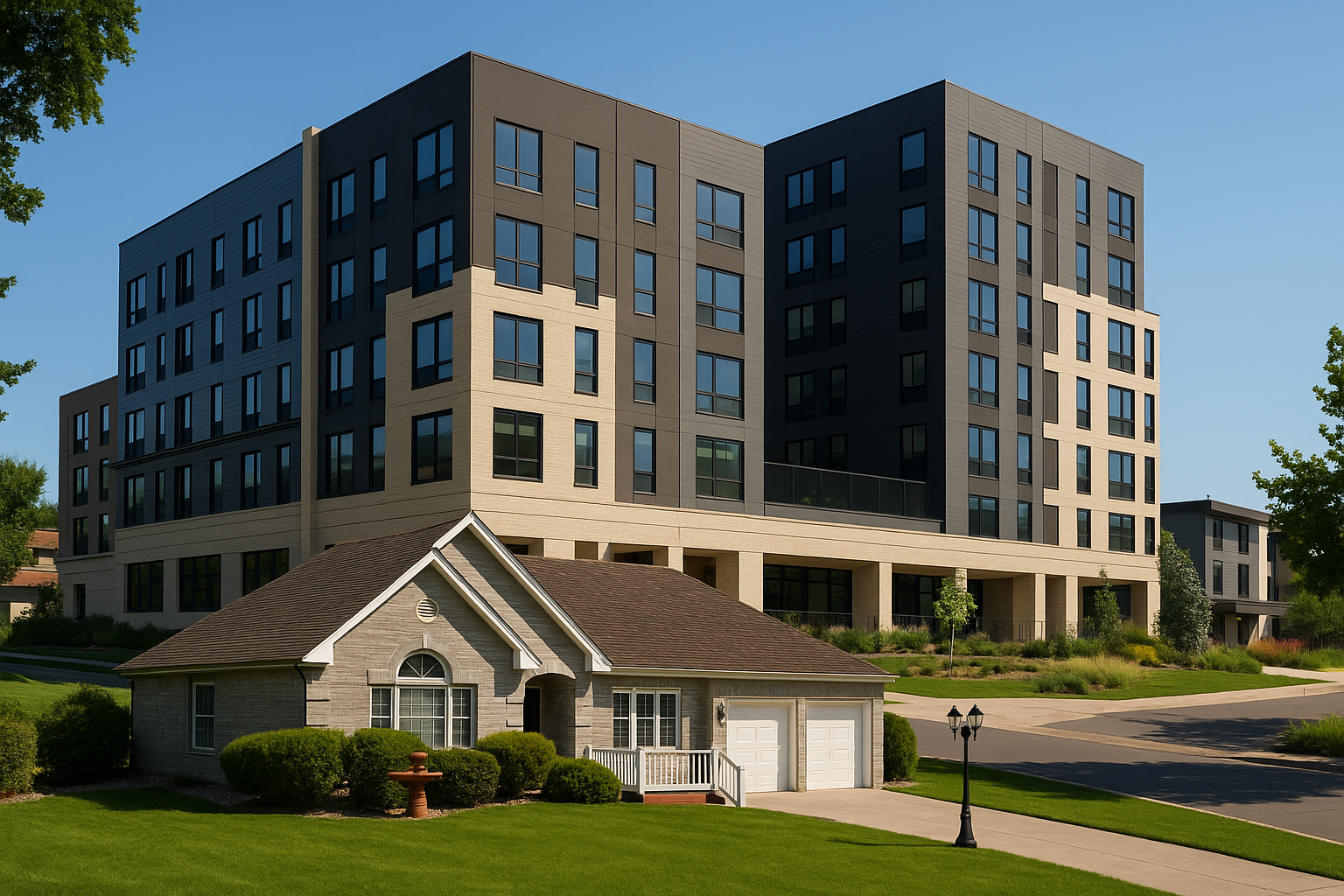
Prioritizing dental care is crucial in assisted living settings to ensure residents' comfort and overall well-being. Regular dental check-ups, proper oral hygiene practices, and timely treatments can prevent a host of issues. Seniors often benefit from environments where dental routines are reinforced on a daily basis. Oral health is closely tied to dignity, confidence, and physical wellness.
Oral Health's Impact on Systemic Conditions
Poor oral health in seniors is linked to various systemic conditions. Gum disease may contribute to worsening chronic illnesses such as diabetes and heart conditions. Infections in the mouth can spread, stressing the immune system and overall health. Maintaining strong oral hygiene habits can positively influence seniors’ physical resilience.
Tooth loss and oral discomfort may force older adults to avoid nutritious foods. Difficulty chewing often limits dietary options and leads to imbalanced nutrition. Maintaining oral function supports healthier eating habits and sustained energy levels. Dental interventions typically improve seniors’ abilities to enjoy various meals again.
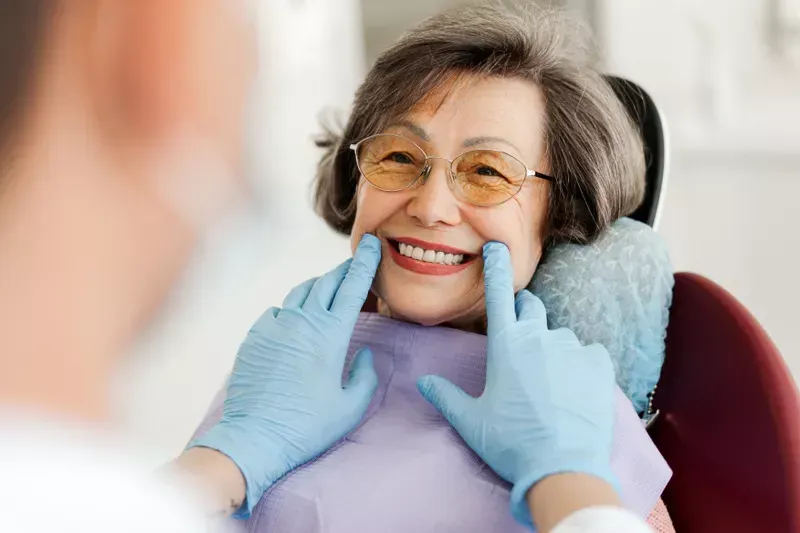
Mental health can also suffer when dental issues go unaddressed. Seniors dealing with chronic pain or embarrassment about missing teeth may withdraw socially. Isolation and low self-esteem often accompany ongoing oral discomfort. Prompt dental care helps restore confidence and fosters greater social engagement.
Daily dental care and regular cleanings are crucial in preventing various health problems. Encouraging older adults to maintain oral hygiene reduces risks across multiple systems. Assisted living teams should support these routines with training and oversight. Small habits can have lasting effects on overall well-being.
Challenges in Accessing Dental Care
Many seniors face barriers when trying to access dental services. A limited income or lack of coverage prevents some individuals from prioritizing oral care. Delayed dental treatment often leads to more complex and costly health problems. Financial concerns are a significant factor contributing to the decline in dental visits.
Living far from providers presents another major hurdle. Transportation issues or limited mobility often prevent seniors from visiting the dentist regularly. Travel to dental offices can be a burden on caregivers and residents alike. Creative solutions are required to bridge these geographic gaps.
Health conditions may interfere with daily dental routines. Seniors living with arthritis or cognitive impairments may require assistance with brushing and flossing their teeth. Caregiver support is crucial for maintaining oral hygiene in these situations. Prompt assistance ensures daily habits remain consistent and adequate.
Assisted living communities can coordinate services to improve access. On-site dental visits or transportation partnerships reduce logistical challenges. Staff training also ensures residents receive appropriate support with personal care. Consistent care planning makes dental health more achievable.
The Role of Assisted Living Facilities
Assisted living facilities can directly influence residents' outcomes. Integrating oral assessments into routine wellness checks helps detect problems early. Dental concerns can be addressed quickly when staff are trained to identify warning signs. Immediate attention helps reduce complications and discomfort.
Partnering with dental professionals enables care to be delivered directly to the community. Mobile clinics and in-house services make access easier for residents. Familiar surroundings may help reduce anxiety associated with dental appointments. Convenience often leads to better compliance with care plans.
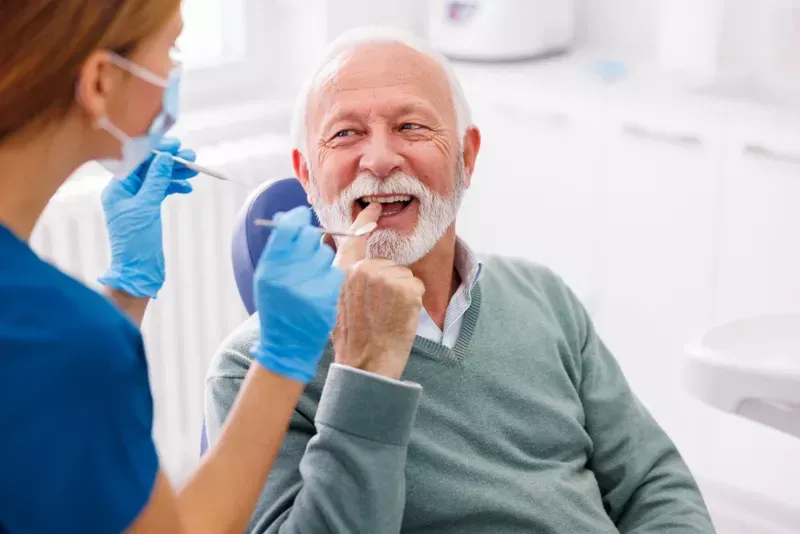
Staff support plays a crucial role in daily dental care. Helping residents with brushing and flossing ensures they use proper technique and maintain consistency in their oral hygiene. Supplies should be readily available, and personalized adjustments to residents can make hygiene practices easier and more effective.
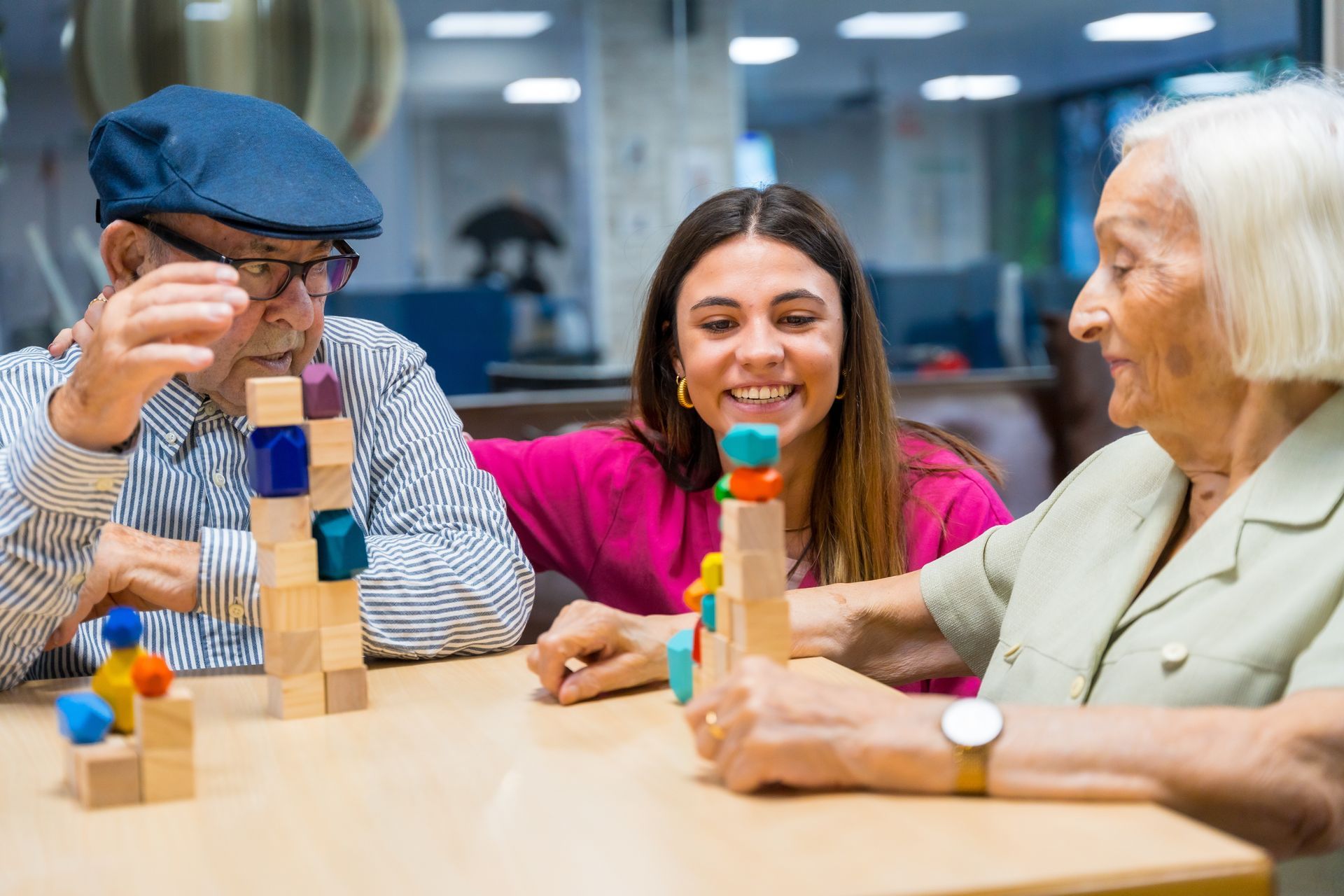
Ongoing education creates a community that values oral health. Workshops, reminders, and peer involvement foster a culture of accountability. Encouragement from staff and peers can improve motivation. Facilities that prioritize dental care set a strong foundation for holistic wellness.
Preventive Measures and Education
Preventive care reduces the likelihood of dental emergencies. Routine cleanings and screenings identify issues before they escalate into painful or costly conditions. Seniors benefit from proactive approaches that emphasize consistency and predictability. Prevention is far more manageable than treatment after problems develop.
Education empowers both residents and caregivers to take oral health seriously. Demonstrations and visual aids help reinforce good habits. Practical advice tailored to senior needs increases understanding and follow-through. Learning should be an ongoing part of care.
Food choices have a direct impact on oral health in seniors. Facilities can design menus that limit sugar and include nutrient-rich options.
Educating residents about the effects of diet on teeth adds another layer of prevention. Dietary habits often shift when clear guidance is provided.
Regular evaluations allow care teams to monitor oral changes over time. Adjustments can be made to accommodate new needs or health conditions. Staying alert to these changes supports more responsive care. Consistency in tracking ensures no detail is missed.
Addressing Cognitive and Physical Limitations
Cognitive impairments pose significant challenges to dental care. Seniors with dementia may forget or refuse hygiene routines, requiring compassionate intervention. Patience and routine often make a meaningful difference in care success. Consistent strategies reduce stress for both residents and caregivers.
Physical disabilities also hinder effective hygiene. Tremors, joint pain, or restricted movement can make brushing extremely difficult. Adaptive tools, such as electric toothbrushes, can help restore some independence. Caregiver assistance is essential for many residents with limited mobility.
Behavioral concerns can complicate dental visits. Fear, past trauma, or confusion may lead to resistance or agitation. Gentle approaches and familiar routines often improve cooperation. Creating a calm, predictable process helps reduce fear and discomfort.
Care plans must be tailored to meet individual needs and limitations. Facilities should collaborate with dental professionals on customized approaches. Training staff to recognize and adjust care for physical or cognitive decline improves outcomes. Flexibility ensures all residents receive the support they need.
Prioritizing Dental Health in Senior Care
Dental care plays a vital role in maintaining seniors' health and overall well-being. Proper attention to oral hygiene can improve nutrition, reduce the risk of illness, and boost social confidence. Assisted living communities are well-positioned to support consistent dental habits. Learn how Assured Senior Living integrates oral care into its comprehensive approach to senior wellness.