BLOG

Managing Chronic Pain in Assisted Living: Effective Strategies for Relief and Comfort

December 29, 2025

Chronic pain often limits mobility, engagement, and quality of life for older adults in assisted living settings. Comprehensive care must address both physical discomfort and emotional stress. Personalized strategies are necessary to provide long-term comfort and restore confidence in daily routines. Residents feel empowered when their care plans reflect their unique needs and preferences.


Addressing chronic pain in assisted living requires coordination between medical professionals, caregivers, and families. A thoughtful approach integrates medication, therapy, and alternative treatments to reduce suffering. Residents who receive consistent support enjoy better emotional and physical well-being. Effective planning ensures pain relief without compromising independence.


Personalized Assessment and Care Planning to Manage Chronic Pain


Initial evaluations should include detailed discussions about the resident's pain history, including triggers, patterns, and the severity of the pain. Staff can use pain scales and assessment tools to ensure accurate baseline measurements. According to the NIH, roughly 50% of seniors experience persistent chronic pain. Individualized strategies should take into account both medical and lifestyle considerations.


Nursing teams, therapists, and physicians must work together to develop clear, goal-oriented plans. Residents benefit from being included in decisions about how their pain is managed. Communication remains central to success, helping staff monitor improvements and address setbacks. Periodic plan updates ensure care stays aligned with evolving health conditions.
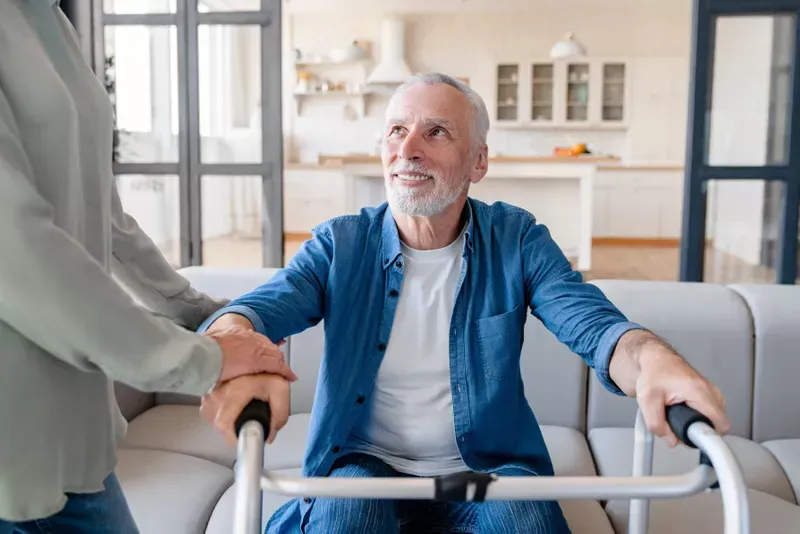


Families can provide valuable insight into behavioral changes and pain responses when family members participate in planning. Consistency between home and assisted living care increases. Greater involvement also strengthens trust and transparency. Informed families contribute meaningfully to the success ofpain management.


A supportive environment enables residents to express their concerns and request necessary adjustments. Care teams who actively listen and respond reinforce a sense of dignity. Residents who feel acknowledged are more likely to report accurate information. Comfort improves when emotional needs are addressed alongside physical symptoms.


Medication Management and Safety


Medications serve as an essential tool in pain management for seniors when applied with care. Physicians select drugs based on a patient's health status, allergies, and potential drug interactions. Strong oversight is essential to avoid side effects and drug interactions.


Nurses closely monitor responses to determine the effectiveness of each medication over time. Medication plans may include non-opioid options to minimize risk. Residents benefit from consistent timing and clear explanations. Structured regimens reduce confusion and encourage adherence.


Adjustments should be made when pain levels change or side effects occur. Substituting or lowering doses can improve safety without sacrificing comfort. Residents must feel comfortable asking questions about their prescriptions. Transparency strengthens trust in the care team.


Education about proper use helps seniors avoid overuse and understand what to expect from their medication. Clear instructions and reminders improve compliance. Residents with a firm grasp of their medication schedule are less likely to experience complications. Strong knowledge fosters independence and confidence in managing chronic pain.


Physical Therapy and Therapeutic Interventions to Manage Chronic Pain


Physical activity plays a critical role in strengthening muscles and easing joint discomfort. Gentle routines reduce stiffness and support

recovery from chronic pain. Targeted exercise can reduce pain intensity by 30% or more, according to studies. Residents often regain movement and balance through regular participation.


Occupational therapy helps residents modify daily tasks to reduce discomfort. Tools and adaptive strategies make self-care more manageable. Therapists provide guidance on how to minimize strain during routine activities, resulting in greater autonomy through carefully adapted methods.



Non-invasive techniques, such as massage, warm compresses, and hydrotherapy, can also provide additional relief. Residents benefit from these soothing treatments without the risks associated with added medication. Many look forward to sessions that provide comfort and relaxation. Consistent access to therapies supports long-term well-being.


Using assistive devices, such as walkers or grab bars, helps prevent injury and reduces physical stress. Mobility improves when tools are introduced at the right time. Customized recommendations protect residents from overexertion. Physical therapy teams evaluate the best options based on individual needs.


Emotional Wellness and Coping Tools


Chronic pain often contributes to sadness, anxiety, and social withdrawal. Seniors who receive emotional support feel more capable of managing discomfort. Group therapy, individual counseling, and recreational activities help foster resilience. Residents gain comfort knowing they are not alone.


Engaging in creative activities, such as painting, writing, or music, can help divert attention away from pain. Artistic outlets promote positive thinking and emotional expression, allowing participants to experience lower pain perception during and after engaging in these activities. Community—based programs also encourage connection and a sense of purpose.


Mindfulness techniques, such as deep breathing and guided meditation, support mental clarity. Residents learn skills that help manage tension and emotional reactivity. Simple routines improve relaxation and reduce reliance on medications. Staff can guide practices to ensure consistency and participation.


Social support from friends, caregivers, and loved ones has been shown to have psychological benefits. Frequent interaction can improve mood and decrease feelings of isolation. Residents who feel supported emotionally report higher satisfaction with their care. Encouraging regular visits and phone calls reinforces this essential connection.


Innovative Technology and Integrated Care to Manage Chronic Pain


Digital tools now help track pain levels and health patterns more accurately. Devices can measure movement, sleep, and physical stress in real-time. Wearables help identify pain triggers and trends before they escalate, allowing for proactive management. Technology improves consistency and early intervention.


Telehealth services expand access to specialists and routine care, eliminating the need for travel. Seniors who use virtual appointments receive quicker follow-up and better continuity of care. Digital check-ins can support medication reviews and adjustments to therapy. Accessible platforms reduce the burden of scheduling in-person visits.


Advanced equipment, such as adjustable beds, therapeutic recliners, or vibrating cushions, provides physical relief. These comfort devices complement medication and therapy plans. Staff can customize features based on resident feedback, making these tools practical for everyday care.


Integrated care systems facilitate coordination among all professionals involved in patient care. Shared data allows for faster decision-making and comprehensive oversight. Residents receive faster responses when information is centrally managed and organized. Strong systems increase both efficiency and quality of care.


Prioritizing Comfort and Dignity in Managing Chronic Pain


Comprehensive support for managing chronic pain helps seniors remain active and engaged in assisted living. Strategies must include personalized care, physical therapy, medication management, emotional support, and the use of innovative technology—residents who receive consistent, empathetic attention experience less discomfort and greater control over their daily lives. Ongoing collaboration between families, caregivers, and health teams ensures comfort and dignity.


At Assured Senior Living, our communities use multidisciplinary approaches to address chronic pain with safety, compassion, and professionalism. Our teams create customized plans that include therapeutic care, medication monitoring, and meaningful emotional support. We value open communication and family involvement every step of the way. Contact us today to explore how Assured Senior Living can help your loved one live more comfortably.

December 29, 2025
The caregiver shortage has become a pressing concern in the senior care industry, impacting the quality and accessibility of services for older adults. As the aging population grows, the demand for skilled caregivers outpaces the available workforce, leading to increased stress on existing staff and potential gaps in care. An imbalance in supply and demand affects the well-being of seniors and places a significant burden on families and healthcare systems. Solving this issue requires innovative solutions and significant systemic changes within the industry. Understanding the root causes and exploring effective strategies is essential for ensuring that seniors receive the compassionate and comprehensive care they deserve. Examining challenges and implementing practical remedies helps stakeholders build a stronger caregiving workforce. Long-term planning and immediate action must go hand in hand to make measurable progress. Leaders and providers must work together to improve care quality in every community. Understanding the Scope of the Caregiver Shortage The caregiver shortage is a multifaceted issue influenced by demographic shifts, economic factors, and workforce dynamics. As the baby boomer generation ages, the demand for senior care services has surged, outpacing the supply of qualified caregivers. According to statistics , the direct care sector is projected to add over 1 million new jobs between 2021 and 2031, more than any other occupation in the United States. Qualified professionals are not entering the field fast enough to meet this growing demand.  High turnover rates among caregivers worsen the shortage, as many leave the profession due to low wages and physically demanding work. The average national turnover rate for direct support professionals working with adults with intellectual and developmental disabilities was 43% pre-COVID. Continuity of care suffers when staff turnover remains high in care environments. Recruitment and training costs rise sharply with every vacancy.
December 18, 2025
Maintaining autonomy in healthcare decisions is a fundamental aspect of dignified aging. Advance directives serve as a crucial tool for seniors to express their medical preferences, ensuring their wishes are honored even when they cannot communicate them directly. Legal documentation reduces uncertainty for families and healthcare providers during critical moments. Proactively establishing advance directives helps align treatments with seniors' values and long-term desires. Many older adults still have not completed the necessary documents to express their healthcare preferences. Around 42.4% of seniors had completed advance directives in 2015, with no further data available. Increased awareness and support can help more individuals feel empowered in planning their own lives. Assisted living communities provide essential tools and resources that support this process. Understanding Advance Directives Advance directives are legal documents that describe preferences for medical treatment during periods of incapacity. Most commonly, these documents consist of a living will and a durable medical power of attorney. A living will outlines specific treatments an individual does or does not want to receive. A durable medical power of attorney designates someone to make healthcare decisions on the individual's behalf if they cannot do so. Federal law requires healthcare providers to inform patients of their right to establish advance directives. The Patient Self-Determination Act helps ensure patients understand and exercise their legal autonomy. Advance directives relieve families of the emotional burden of making decisions without guidance. Legal clarity prevents medical interventions that may conflict with personal values. 
December 16, 2025
Maintaining independence is a fundamental goal for many seniors, and sensory health plays a pivotal role in achieving this. Vision and hearing health are essential for daily activities, social interactions, and overall quality of life. As individuals age, the risk of sensory impairments increases, potentially leading to challenges in mobility, communication, and safety. Proactively addressing these issues can help seniors preserve their autonomy and well-being. Assisted living communities recognize the significance of sensory health in promoting independence among residents. Regular screenings and supportive services help identify and effectively manage vision and hearing impairments. A comprehensive approach ensures that seniors receive the necessary interventions to maintain their functional abilities and engage in daily life. Families should consider the impact of sensory health when evaluating care options for aging loved ones. The Prevalence and Impact of Sensory Impairments Vision and hearing health issues are shared among older adults, with significant implications for independence and quality of life. Visual and auditory losses frequently interfere with routine activities and increase the risk of injury or isolation. Many seniors find it challenging to adjust to these changes without assistance. Early intervention remains essential to mitigating these issues and preserving autonomy.  Vision impairments such as cataracts and macular degeneration limit daily functions like reading and navigating familiar environments. Hearing loss contributes to miscommunication and often leads to social withdrawal or frustration. Seniors benefit greatly from regular eye and hearing exams to detect problems early. Tools such as glasses and hearing aids can restore much of what was lost.
December 16, 2025
Chronic pain affects millions of older adults, often from arthritis, nerve conditions, old injuries, or long-term illnesses. For seniors, chronic pain can interfere with sleep, movement, mood, and independence—but it does not have to define daily life. With the right mix of habits, support, and care strategies, many seniors continue to enjoy meaningful, active, and connected lives. Overview Living well with chronic pain usually comes down to three things: managing pain safely, staying physically and socially engaged, and protecting emotional health . Small, consistent adjustments often make a bigger difference than dramatic changes. Understanding the Daily Challenge Pain isn’t just physical. It can quietly shrink routines—fewer outings, less movement, more isolation. Over time, that can lead to stiffness, fatigue, and frustration. The goal isn’t to “power through” pain, but to work with your body in ways that reduce flare-ups and preserve energy for what matters most. Gentle Strategies That Support an Active Life Here are several approaches that many seniors find helpful when used together: Regular low-impact movement such as walking, swimming, or chair exercises Pacing activities instead of doing too much on “good days” Using heat or cold for temporary pain relief Maintaining social connections to reduce isolation Communicating openly with healthcare providers about what helps and what doesn’t Each of these supports daily function without placing extra strain on the body. A Simple How-To: Building a Pain-Smart Daily Routine A routine creates predictability, which can lower stress and pain intensity. Step-by-step approach: Start slow in the morning with stretching or warm showers to loosen joints Schedule movement earlier in the day when energy is highest Alternate activity with rest, even if you feel capable of doing more Plan one enjoyable activity daily (reading, gardening, calling a friend) Wind down consistently at night to support better sleep This kind of structure helps prevent pain spikes while keeping life full. Exploring Hands-On Care Options Some seniors benefit from hands-on therapies that focus on alignment, mobility, and nervous system function. Seeing a chiropractor can help certain people manage back pain, neck pain, or joint stiffness by improving movement and reducing physical stress. If pain is related to a vehicle collision, it’s especially important to find a car accident chiropractor who is skilled in treating injuries such as whiplash, herniated disks, and spinal cord or soft tissue damage. Treatment duration can vary widely—some people need only a few visits, while others require longer-term care depending on injury severity and how the body responds. Emotional Well-Being Matters More Than You Think Chronic pain and mood are closely linked. Anxiety and depression can increase pain sensitivity, while pain can lower motivation and hope. Many seniors find relief through: Mindfulness or breathing exercises Support groups (in-person or online) Counseling or pain-focused cognitive behavioral therapy Feeling heard and supported can make pain feel more manageable.
December 12, 2025
Navigating the landscape of senior living communities can be overwhelming, particularly when searching for the ideal fit for yourself or a loved one. Each community type offers unique services, amenities, and levels of care tailored to varying needs and preferences. Seniors and their families require accurate and transparent information to make informed decisions. Choosing the right environment directly impacts long-term wellness, social connection, and independence. A clear understanding of each community's structure and focus helps minimize stress and ensures appropriate care. Many families begin researching during periods of transition or crisis, which can add urgency to the process. Planning and being aware of available options reassure seniors and their support networks. Starting with a comprehensive comparison can simplify a complex and emotional decision. Independent Senior Living Communities Independent senior living communities support seniors who can manage their care but prefer fewer responsibilities at home. Most communities offer maintenance-free residences with access to communal meals, housekeeping services, and organized events. Residents appreciate the freedom to come and go while enjoying added security and convenience. These communities foster friendships and daily interaction, which helps reduce isolation. Most independent living communities do not offer regular medical care, but may include wellness programs or optional support services. Residents enjoy greater privacy while having emergency response systems and supportive staff nearby. The design of these communities encourages healthy social engagement and continued independence. Structured yet flexible lifestyles enable seniors to maintain autonomy while accessing necessary assistance. Monthly fees usually cover utilities, amenities, and services, providing predictable expenses for budgeting purposes. Seniors benefit from simplified financial management and fewer unexpected home-related costs. A wide range of recreational and educational activities encourages residents to pursue interests and stay mentally active. Pet-friendly policies and customizable services further enhance resident satisfaction. Prospective residents should visit several communities to observe culture, cleanliness, and daily life firsthand. Talking with residents and staff provides insights into how well the community supports personal goals. Location, dining options, and transportation access should factor into your final decision. Selecting a community that matches your lifestyle ensures long-term happiness. Assisted Senior Living Communities  Senior living communities cater to older adults who require assistance with daily activities but wish to remain active and engaged. Residents typically receive help with daily activities, such as bathing, dressing, meal preparation, and medication management, while living in private or semi-private accommodations. Trained staff always remain available to respond to needs quickly and compassionately. Residents enjoy a supportive environment that doesn’t feel overly restrictive.
December 9, 2025
Senior living is transforming, driven by technological advancements and evolving design philosophies. As the aging population grows, there is an increasing demand for environments that provide care and enhance the quality of life. Modern senior living communities embrace innovations promoting independence, safety, and engagement, ensuring residents lead fulfilling lives. Communities adopt holistic approaches that merge innovation with compassion to improve elder care from every angle. Changes in senior living extend far beyond digital gadgets and contemporary buildings. Facilities are now reimagining how care environments support every dimension of resident health and satisfaction. Architects and care teams collaborate to reframe care from a passive to a participatory approach. Living spaces are becoming platforms for engagement, wellness, and daily autonomy. Embracing Smart Technology for Enhanced Living Integrating innovative technology in senior living communities is revolutionizing how care is delivered. Wearable health monitors , for instance, enable real-time tracking of vital signs, allowing for prompt medical responses when necessary. Such devices empower residents to manage their health actively, fostering a sense of autonomy. Facilities are leveraging technology not as a substitute for human care, but as a vital enhancement to resident safety and wellness.  Telehealth services have become increasingly prevalent, offering residents convenient access to healthcare professionals without traveling. Seniors benefit from fewer delays, reduced exposure to illness, and more consistent care routines. Care providers are meeting residents where they are, rather than requiring them to adapt to rigid healthcare models.
December 4, 2025
Financial exploitation is a growing concern for seniors, often leading to devastating consequences. As individuals age, they may become more vulnerable to senior scams due to social isolation, cognitive decline, or unfamiliarity with technology. Recognizing and addressing these risks is crucial to safeguarding their well-being. Understanding the types of scams and implementing preventive measures can significantly protect seniors from financial harm. Assisted living communities are pivotal in educating and protecting residents from scams. By fostering an environment of awareness and vigilance, these communities can help seniors navigate the complexities of modern fraud tactics. Staff training and resident education are crucial in establishing a robust defense against financial exploitation. Through collective efforts, the safety and security of seniors can be significantly enhanced. Understanding Common Senior Scams Scammers often target seniors with various fraudulent schemes to exploit their trust and financial resources. Common senior scams include impersonation of government officials, fraudulent investment opportunities, and deceptive tech support calls. These tactics are crafted to appear legitimate, making it challenging for seniors to discern the truth. Awareness of these common scams is the first step in prevention.  Another prevalent scam involves fraudsters posing as distressed family members, requesting urgent financial assistance. This emotional manipulation can compel seniors to act hastily without verifying the authenticity of the request. Encouraging open communication within families can help prevent such incidents. Seniors should be advised to confirm such requests directly with the family member involved.
December 3, 2025
Alright, folks, gather round and break down the top five reasons why you or let's be honest, your loved one might not be getting that VIP treatment you thought came with the brochure at one of those mega assisted living facilities. It's like expecting a gourmet meal and getting served a microwaved hot dog. Let's dive in. 1. High Staff Turnover: The Revolving Door Syndrome Imagine walking into your favorite bar, and every time, there's a new bartender. Yesterday, it was Tom. Today, it's Jerry. Tomorrow, who knows? That's your large, assisted living facility. Staff come and go faster than fashion trends. Why? Because working there is about as rewarding as trying to read "War and Peace" on a rollercoaster. This high turnover means just when your loved one finally remembers the name of their caregiver, poof, they vanish. It's like a magic trick nobody asked for. 2. High Resident to Staff Ratio: Where's Waldo?  Now, picture playing a game of Where's Waldo, but instead of finding Waldo, you're trying to find a staff member to help you. That's right, in the sea of residents, finding a staff member is like finding a needle in a haystack, if the needle was also trying to hide from you. The ratio is so off, you might as well declare yourself a staff member and start helping. At least you'd know where one staff member is—spoiler alert, it's you.
December 2, 2025
Dental care is a crucial yet often overlooked component of overall health for seniors. As individuals age, maintaining oral health becomes increasingly important due to its direct impact on nutrition, systemic health, and quality of life. Neglecting dental care can lead to complications affecting the mouth and the entire body. Understanding the importance of dental health is crucial for promoting overall well-being among older adults. Prioritizing dental care is crucial in assisted living settings to ensure residents' comfort and overall well-being. Regular dental check-ups, proper oral hygiene practices, and timely treatments can prevent a host of issues. Seniors often benefit from environments where dental routines are reinforced on a daily basis. Oral health is closely tied to dignity, confidence, and physical wellness. Oral Health's Impact on Systemic Conditions Poor oral health in seniors is linked to various systemic conditions. Gum disease may contribute to worsening chronic illnesses such as diabetes and heart conditions. Infections in the mouth can spread, stressing the immune system and overall health. Maintaining strong oral hygiene habits can positively influence seniors’ physical resilience.  Tooth loss and oral discomfort may force older adults to avoid nutritious foods. Difficulty chewing often limits dietary options and leads to imbalanced nutrition. Maintaining oral function supports healthier eating habits and sustained energy levels. Dental interventions typically improve seniors’ abilities to enjoy various meals again.
November 30, 2025
Ageism, the systematic stereotyping and discrimination against individuals based on age, profoundly affects the well-being of older adults. It manifests in various forms, from subtle biases in everyday interactions to institutional policies that marginalize seniors. Such discrimination can lead to diminished self-esteem, social isolation, and reduced access to essential services. Addressing ageism ensures seniors live with dignity, respect, and full social participation. Advocating for seniors involves recognizing and challenging the societal norms and structures perpetuating age-based discrimination. It requires a concerted effort from individuals, communities, and institutions to promote inclusivity and equity. Understanding the roots and ramifications of ageism enables the development of effective strategies to combat it. Recognizing Ageism in Society  Ageism often goes unnoticed, as it is embedded in cultural narratives and societal structures. Media representations frequently portray older adults as frail or out of touch, reinforcing negative stereotypes. Such depictions can influence public perception and policy decisions, leading to the marginalization of seniors. A report by the World Health Organization found that ageism is prevalent globally, affecting individuals' health and well-being. Workplace discrimination is another area where ageism is evident. Older employees may face challenges in hiring, promotions, and training opportunities due to assumptions about their capabilities and age-related biases. Negative workplace perceptions can reduce seniors’ economic stability and harm their sense of purpose. Addressing workplace ageism requires policy reforms and awareness campaigns to promote age diversity and inclusion.